×

PROFESSIONAL TOP AMUSEMENT EQUIPMENT MANUFACTURER!

-Oct 1, 2025-
Plastic toy plastic molding is a process of creating durable, detailed, and cost-effective toys by injecting melted plastic into molds. This technique allows mass production with precision, flexibility in design, and material diversity, making it a preferred method for toy manufacturers worldwide, especially in China where many OEM and wholesale factories specialize in this field. Also check: Plastic Toy
Plastic toy plastic molding improves production by allowing high-speed, precise creation of complex toy shapes with fine details. Fast cycle times enable large-scale manufacturing at lower costs. The process supports multi-material and multicolor options for superior toy appearances. High automation and strict quality control in factories enhance consistency and reduce defects.
China-based manufacturers leverage modern molding machines and technology to deliver toys that meet international safety and quality standards effectively and efficiently.
The most common plastics used in toy molding include ABS, polypropylene (PP), polyethylene (PE), PVC, and TPE/TPR. Each offers unique benefits: ABS provides strength and good finish, PP offers flexibility, PE is durable, PVC is versatile for colors, and TPE/TPR brings softness ideal for child-friendly toys. Factories in China often customize plastic materials to balance safety, cost, and toy function.
China boasts a vast network of experienced manufacturers offering competitive wholesale pricing, OEM customization, and vast capacity for mass production. With advanced injection molding machines, automated assembly lines, and rigorous quality certifications, Chinese plastic toy factories ensure fast turnaround and consistent high-quality outputs. Moreover, suppliers maintain strong export logistics and after-sale support globally.
OEM customization allows clients to tailor toys to specific designs, colors, materials, and packaging needs, helping brands differentiate in competitive markets. Factories like Golden Times provide end-to-end OEM services, from prototype design to mold-making and mass production, ensuring product precision and branding consistency while optimizing costs for bulk manufacturing.
Some top suppliers include Golden Times, Weijun Toys, and Dongguan Wellfine, known for their factory scale, technical expertise, and certifications. These companies offer versatile manufacturing solutions from small intricate figures to large playground toys, supporting global wholesale and OEM clients with extensive product ranges and professional after-sales services.
Businesses opt for plastic toy molding when needing high-volume production with detailed designs, strong durability, and cost efficiency. It excels over 3D printing or rotational molding in speed and unit costs for largescale runs. Also, once molds are made, the per-unit cost drastically reduces, making it ideal for toys with complex shapes and multi-color variants.
Major manufacturing hubs include Guangdong (Shenzhen, Dongguan), Shantou, and Wenzhou—home to Golden Times. These regions have clusters of suppliers with extensive OEM experience. Buyers are advised to select factories with ISO 9001:2015 certification, advanced injection molding equipment, and proven export track records to ensure product quality and delivery reliability.
Yes, modern technology enables precise control over plastic selection, mold design, and production processes to comply with global toy safety standards like ASTM, CE, and EN71. Automation reduces human error and contamination risks. Companies like Golden Times rigorously test all products with dedicated labs, ensuring safe, non-toxic, and environmentally friendly toys.
Sustainability is growing in importance. Leading manufacturers increasingly use bio-based plastics and recycled materials for eco-friendly toys. Such efforts align with global consumer demand for green products. Chinese factories invest in cleaner production methods and recycling programs to reduce environmental impact while maintaining quality and competitive pricing.
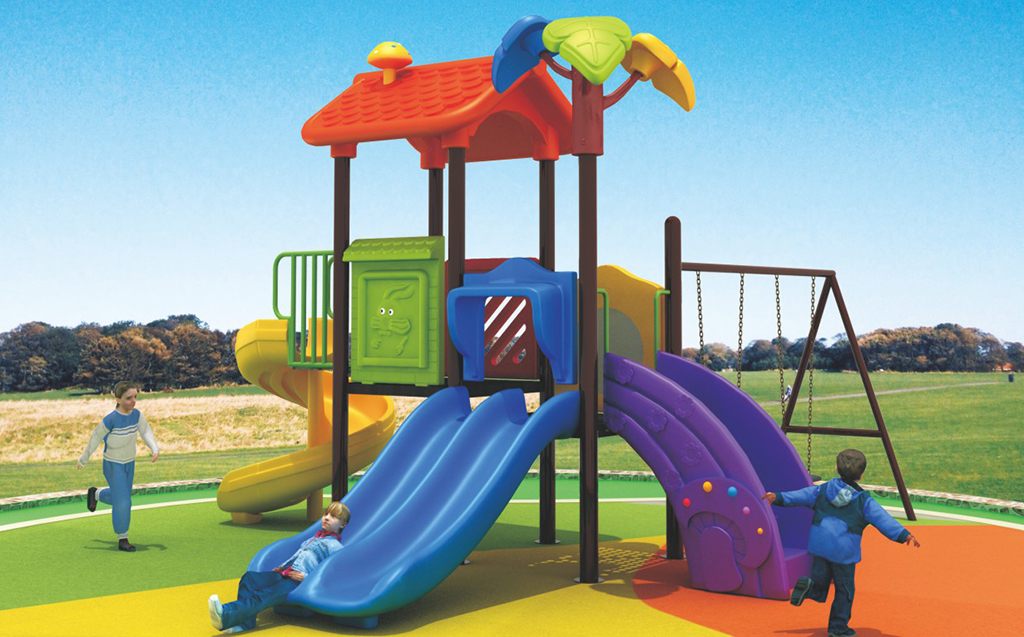
Yes, amusement equipment toys often require extra durability and safety certifications due to heavy use and children’s physical interaction. Factories tailor plastic blends for strength and weather resistance and apply coatings to prevent damage. Golden Times, with decades of amusement equipment expertise, implements stringent design reviews and material testing for playground and outdoor toys.
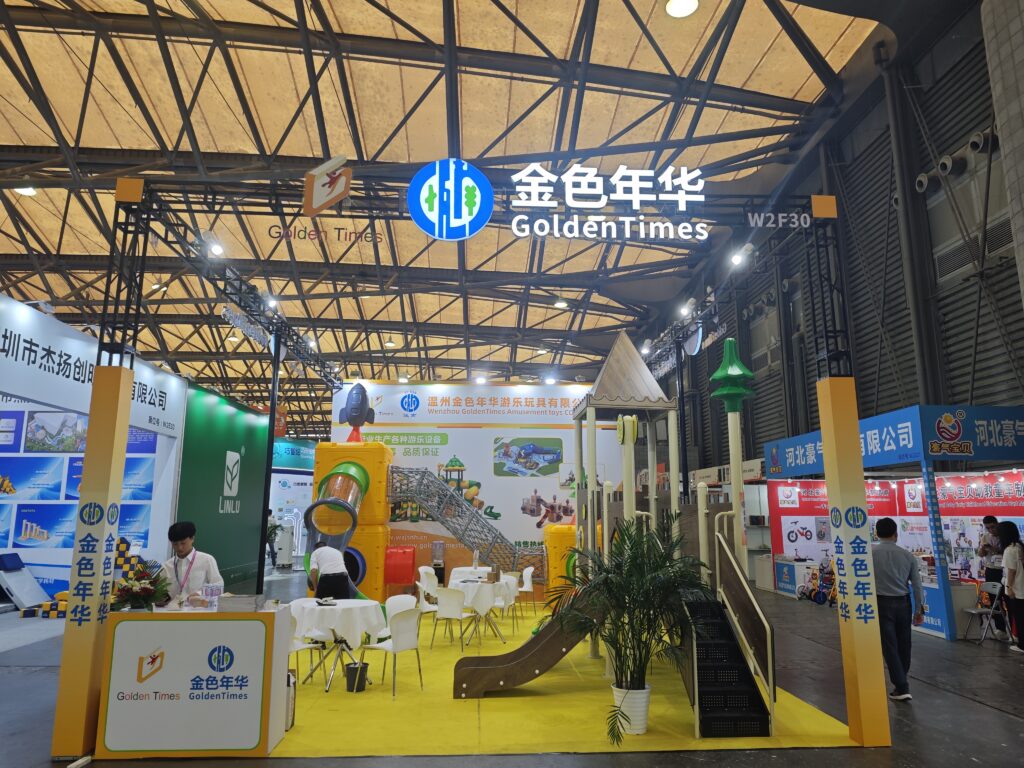
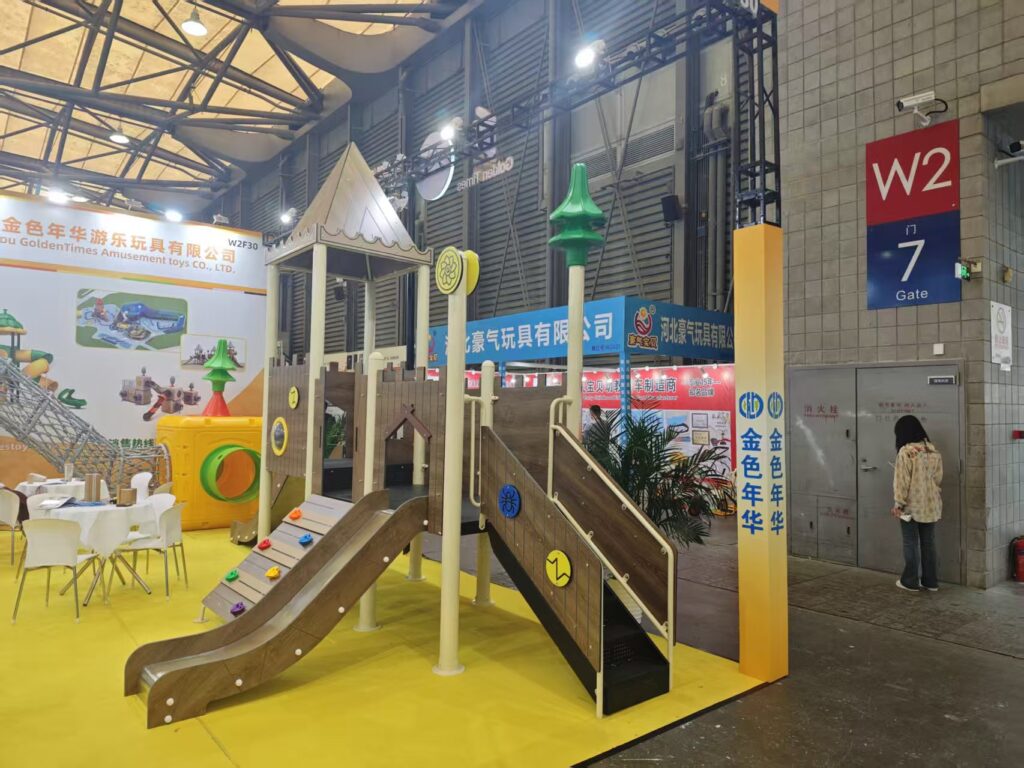
Golden Times combines veteran management, innovative design, and top-tier automated production lines to serve B2B clients worldwide. Since 2003, Golden Times has specialized in customized amusement toys, meeting diverse requirements for playgrounds, kindergartens, and residential communities. Their offerings include OEM/ODM services, quality certifications, and 24/7 support to ensure customer satisfaction and timely delivery.
The factory process typically includes:
Conceptual and 2D design
3D modeling and prototype creation
Mold making with high-precision steel
Pre-production samples for client approval
Injection molding mass production
Painting, pad printing, and finishing touches
Assembly and quality checks
Packaging and shipment
This structured process ensures detailed, consistent toy manufacturing that satisfies client specifications and regulatory standards.
| Plastic Type | Key Properties | Typical Uses | Safety & Eco Notes |
|---|---|---|---|
| ABS | Strong, rigid, glossy finish | Action figures, blocks | Widely accepted, recyclable |
| PP | Flexible, chemical resistant | Flexible toys, hinges | Non-toxic, recyclable |
| PE | Durable, impact resistant | Outdoor toys, containers | Safe, often recycled |
| PVC | Versatile, colorable | Figurines, inflatables | Some concerns; use phthalate-free |
| TPE/TPR | Soft, rubber-like | Baby toys, grip parts | Safe, eco-friendly options growing |
| Advantage | Description |
|---|---|
| Cost Efficiency | Competitive pricing due to scale and labor costs |
| Customization | Full OEM/ODM services with advanced design support |
| Quality Control | ISO-certified factories with rigorous QC processes |
| Speed & Capacity | High production volumes with fast turnaround times |
| Export Experience | Strong global logistics and compliance expertise |
“Golden Times stands out in the plastic toy plastic molding industry by merging decades of expertise with state-of-the-art manufacturing technology. Our commitment to quality, safety, and customization allows us to meet diverse market demands efficiently. We prioritize customer satisfaction through responsive design iteration, rigorous quality assurance, and timely global delivery. As specialists in amusement equipment, we understand the critical balance between durability and playful aesthetics essential for successful toys.”
Plastic toy plastic molding is a powerful manufacturing approach optimized for speed, precision, and cost-efficiency, especially when sourced from experienced Chinese factories like Golden Times. Leveraging advanced machinery, quality materials, and comprehensive OEM services enables businesses to produce safe, appealing toys in volume. Prioritizing factory capabilities in design, certification, and sustainability helps ensure market success in today’s competitive toy industry.
What is plastic toy plastic molding?
Plastic toy molding is a manufacturing process that shapes melted plastic into toy parts using custom-designed molds. It allows for highly detailed, durable, and consistent production of toys, making it the most common method for mass-producing plastic toys worldwide.
How does the plastic injection molding process work?
Injection molding involves four main steps: clamping the mold closed, injecting molten plastic under high pressure, cooling it to solidify in the mold, and ejecting the finished toy part. This cycle repeats to efficiently produce multiple identical components.
What types of plastics are commonly used in toy molding?
Common plastics include ABS (tough and impact-resistant), PP (light and flexible), PE (bendable or stiff for outdoor toys), and PVC (rigid or soft with vivid colors), selected based on the toy’s durability, function, and design needs.
Are there other plastic molding methods besides injection molding?
Yes. Other methods include blow molding (hollow items), rotational molding (large hollow objects like playhouses), extrusion molding (continuous shapes like straws), and compression molding (dense, strong parts). Each method suits specific toy types and designs.
Why is injection molding popular for toy production?
Injection molding is fast, precise, and cost-effective. It produces detailed, consistent parts in large volumes, ensures high durability, and allows toys to be made in bright colors and complex shapes.
How do molds influence the final toy shape?
The mold’s cavity determines the exact size, shape, and details of each toy part. High-quality molds ensure accuracy, smooth surfaces, and repeatable results for every piece produced.
What role does cooling play in plastic molding?
Cooling solidifies the molten plastic in the mold, locking in the toy’s shape. Proper cooling ensures structural integrity, reduces warping, and speeds up production cycles.
Why work with professional manufacturers for plastic toy molding?
Professional manufacturers like Golden Times provide precision molds, quality materials, and consistent production. They ensure toys meet safety standards and are suitable for various markets, including schools, playgrounds, and retail distribution.
Previous: What is Plastic Toy Injection Molding and How Does It Work?
Next:
What’s in your mind? Let’s talk.