×

PROFESSIONAL TOP AMUSEMENT EQUIPMENT MANUFACTURER!

-Aug 29, 2025-
A jungle gym for kids is a versatile play structure designed to encourage climbing, swinging, and sliding, offering physical activity and imaginative play. Available in multiple designs and materials, it should be selected based on a child’s age, available space, and safety features to ensure fun and secure playtimes.
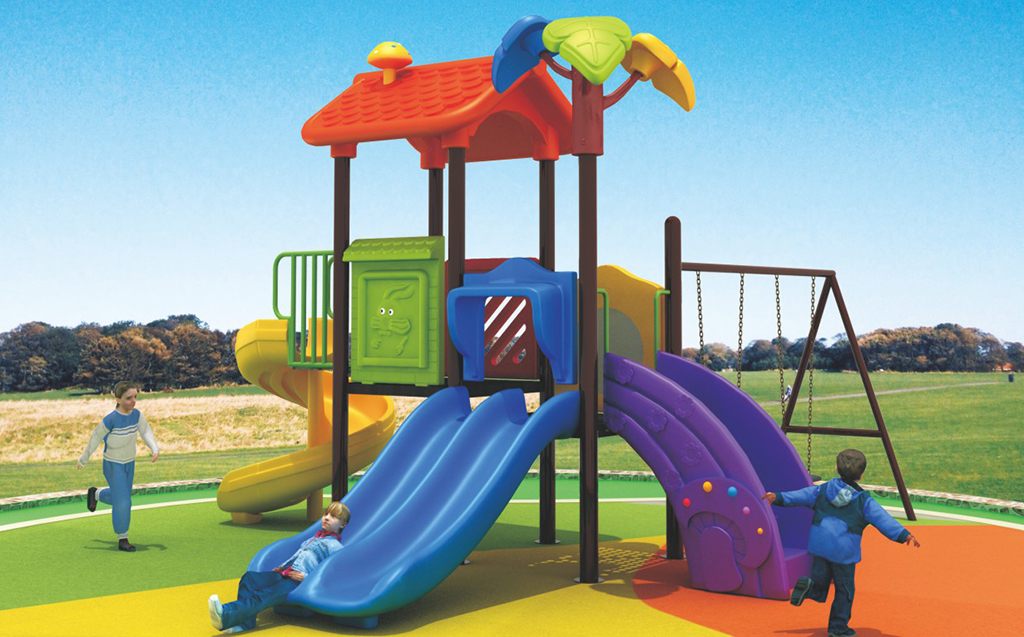
There are several types of jungle gyms catering to various needs: traditional outdoor playsets for spacious backyards, climbing domes for smaller yards, indoor wooden climbers for toddlers in limited indoor spaces, and modular jungle gyms for customizable, long-term use.
Traditional outdoor playsets often feature wood or rust-resistant metal with swings, slides, and monkey bars. Climbing domes are geodesic and compact for ages 3–10. Indoor wooden climbers are Montessori-inspired, made with non-toxic wood and perfect for toddlers. Modular systems allow growth with interchangeable parts, adapting to space and children’s evolving interests.
The Best Jungle Gyms: Age and Space Considerations
Choosing the right jungle gym depends on your child’s age and the space you have available. Younger kids need safe, low-level designs, while older children thrive with more challenging structures. Always measure your area to ensure a comfortable fit and prioritize safety.
Toddlers (Ages 2–5):
Features: Low heights, soft surfaces, crawl tunnels, ramps, and small slides.
Benefits: Supports balance, coordination, and early movement skills.
Grade Schoolers (Ages 5–12):
Features: Taller designs, climbing nets, domes, and swings.
Benefits: Builds strength, confidence, and motor skills.
Modular/Expandable Systems:
Features: Interchangeable parts with slides, nets, or ramps.
Benefits: Grows with your child, adapting to new abilities and interests.
Small Areas:
Options: Monkey bars, compact climbing towers, or wall-mounted gym bars.
Benefits: Active play without using much floor space.
Large Yards:
Options: Multi-activity gyms with slides, towers, and climbing features.
Benefits: Supports multiple children and varied play.
Indoor: Lightweight, modular plastic gyms suit toddlers and limited space.
Outdoor: Durable metal handles weather, wood offers a natural look, and plastic is easy to clean.
Safety: Choose sturdy, age-appropriate equipment and anchor it properly.
Space: Measure carefully and compare dimensions before purchase.
Child’s Needs: Match complexity to your child’s stage and interests.
Parents should consider their child’s age and developmental level, ensuring features match skill abilities—such as low height and bucket swings for toddlers and complex climbing for older kids. Measure available space with a minimum 6-foot clearance around the equipment. Choose jungle gyms certified by safety organizations with rounded corners, recessed hardware, and no pinch points.
Materials play a vital role: wood offers natural aesthetics but needs maintenance; metal is durable and rust-resistant, with powder-coated steel preferred; plastic/vinyl is splinter-free and low-maintenance but tends to cost more. Soft ground surfacing like rubber mulch or wood chips is essential to cushion falls.
Outdoor jungle gyms should be placed on level ground, free of obstacles such as rocks or roots, with plenty of open clearance all around. Indoors, they fit well in playrooms or basements with safe flooring. Proper ground surfacing is crucial outdoors to prevent injury, using loose-fill materials at the recommended depth.
Preparing the site involves clearing the area, digging and securing posts for permanent structures, and ensuring firm foundations. Installation often requires multiple people and following manufacturer instructions carefully to ensure structural integrity and safety compliance.
Material determines durability, maintenance, safety, and aesthetics. Wood offers a classic look but requires regular care to avoid rot and splinters. Metal frames provide long-lasting strength and are often coated to prevent rust. Plastic options are lightweight, colorful, and require less upkeep but may not be as sturdy or affordable as wood or metal.
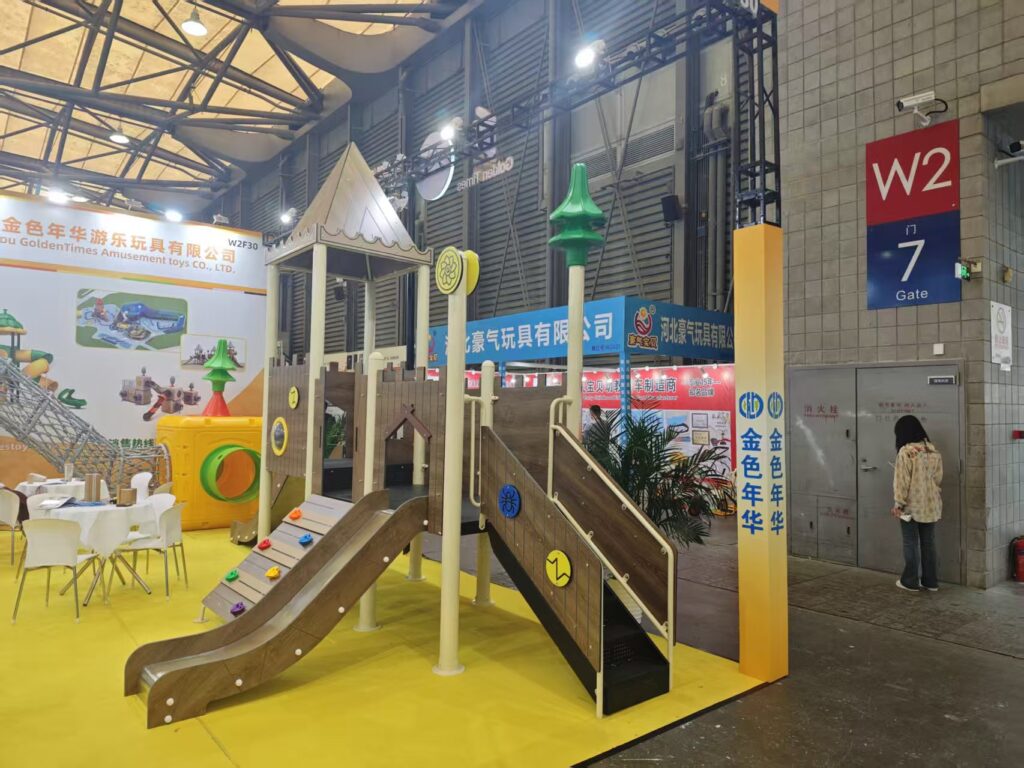
Golden Times, a trusted brand in playground equipment, utilizes high-quality, weather-resistant materials designed for durability and child safety, ensuring long lifespan and low maintenance across their jungle gym lines.
For the handy parent, building a jungle gym can be fulfilling. Use pressure-treated lumber for outdoor frames and ensure a level, stable base. Galvanized pipes can create simple monkey bars or climbing structures. Indoors, wooden frames paired with safe ropes can form small climbing gyms for toddlers.
Always follow safety guidelines strictly, select non-toxic finishes, and test stability meticulously. Golden Times recommends professional consultation for design ideas to combine creativity with proven safety standards.
Modular jungle gyms allow customization and expansion, adapting to changing interests and physical abilities. Components like swings, slides, bridges, and monkey bars can be added or rearranged, ensuring long-term engagement without frequent replacement.
This flexibility is ideal for families wanting a tailored play environment that grows with their children. Golden Times offers modular options that combine safety with innovative design, enabling families to build playgrounds uniquely suited to their space and kids.
Indoor wooden climbers are suitable for toddlers and young children in homes without sufficient outdoor space or in climates where outdoor play is limited. These smaller, often foldable structures promote motor skills safely indoors, featuring smooth, non-toxic wood with gentle slopes and climbing options.
Such climbers are particularly helpful in early childhood development and can be integrated into Montessori-style play areas, fostering creativity and physical activity year-round.
“At Golden Times, we believe play is crucial for children’s healthy development. Our jungle gyms are designed not only for fun but to foster physical strength, coordination, and social skills in safe environments. We prioritize durable materials, thoughtful designs, and compliance with safety standards to give families reliable, joyful playground experiences that grow with their children. Our commitment is to create spaces where every childhood adventure begins.”
Choosing the right jungle gym for kids requires balancing safety, space, material, and developmental suitability. Traditional outdoor playsets suit large yards and multiple children, while climbing domes and indoor wooden climbers serve smaller areas and younger kids. Modular systems offer adaptability for long-term play. Safety certifications, quality materials, and proper installation are vital. Golden Times stands out as a trusted brand delivering versatile, durable, and imaginative jungle gyms that inspire active, happy play.
What factors should parents consider when choosing a jungle gym?
Parents should consider their child’s age, developmental needs, available space, materials, and safety features. A good jungle gym is durable, engaging, and allows for climbing, sliding, and imaginative play. Adjustable or expandable models can grow with your child, providing long-term value and continued physical and cognitive challenges.
What jungle gym features are suitable for toddlers and preschoolers?
For ages 6 months to 5 years, choose low-level frames with soft finishes for sensory exploration and simple plastic climbers for physical play. These designs promote safety while encouraging coordination, balance, and imaginative activity.
What jungle gym features are recommended for school-age children?
Children aged 5–12 benefit from more adventurous equipment such as towers, rope nets, rock walls, bridges, and monkey bars. These features challenge strength, coordination, and confidence, while keeping play engaging and stimulating.
What materials are safest for jungle gyms?
Durable, non-toxic materials like powder-coated steel, rotomolded plastics, and natural woods (cedar or pine) are recommended. These resist weathering, provide structural stability, and are safe for prolonged use, reducing the risk of injury or chemical exposure.
Should parents choose DIY or pre-made jungle gyms?
Pre-made jungle gyms are often safer and quicker to install, meeting certified standards for children’s play. DIY options allow customization but require careful attention to safety, proper materials, and secure assembly.
How can parents ensure safe installation of a jungle gym?
Place the structure on a level surface with impact-absorbing materials like rubber mulch or mats. Follow manufacturer instructions closely, regularly check for loose parts, and maintain proper spacing around swings, slides, or climbing areas.
Why is adaptability important in a jungle gym?
Expandable or modular jungle gyms allow parents to add accessories as children grow, keeping play challenging and interesting. This flexibility maximizes the lifespan of the equipment and accommodates evolving physical and imaginative needs.
How can jungle gyms support child development?
Jungle gyms promote physical strength, balance, and coordination, while encouraging social interaction and imaginative play. Structured challenges like climbing and swinging also boost confidence, problem-solving skills, and overall cognitive and motor development.
What’s in your mind? Let’s talk.