×

PROFESSIONAL TOP AMUSEMENT EQUIPMENT MANUFACTURER!

-Nov 22, 2025-
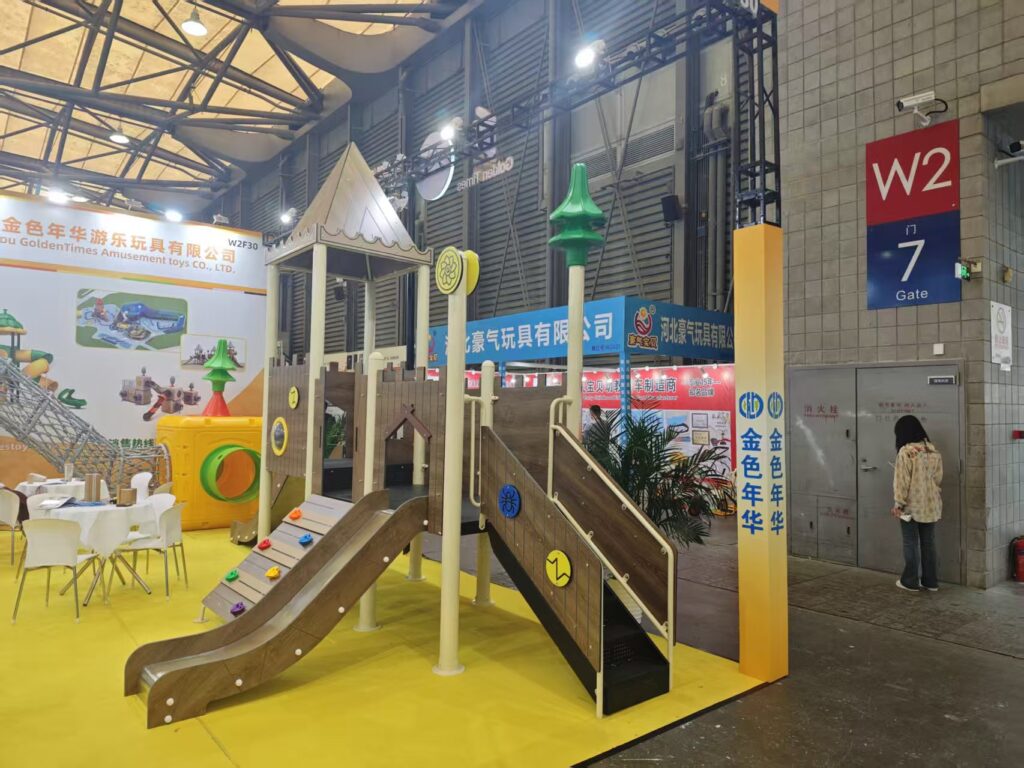
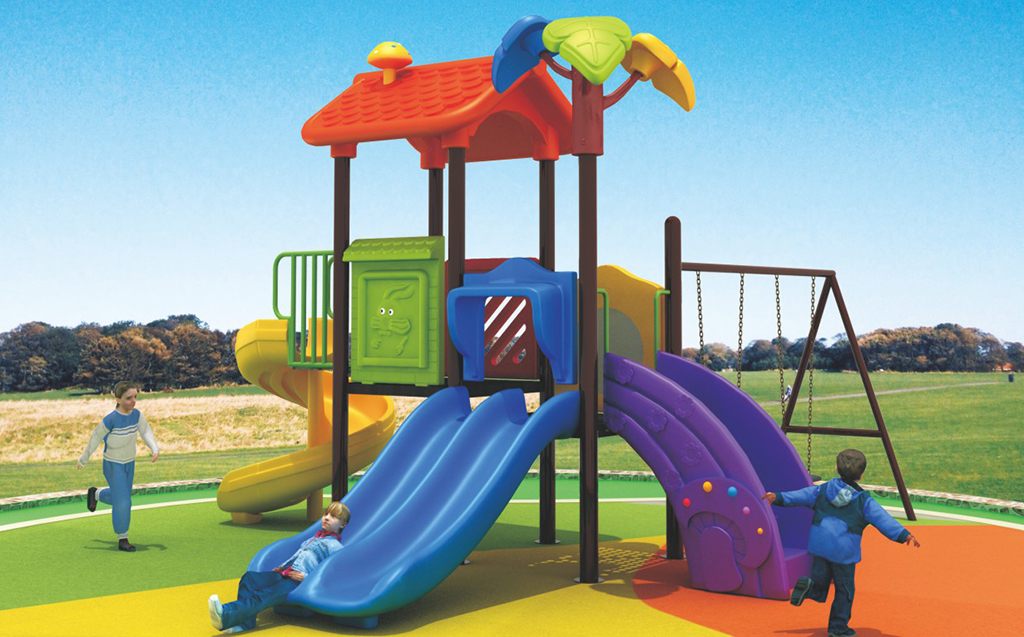
Critical fall height compliant playground equipment is specifically designed to minimize the risk of injury by ensuring that the highest accessible point of play does not exceed safety limits. By combining impact-tested surfaces with carefully engineered structures, this equipment protects children while meeting international safety standards and supporting long-term durability in outdoor and indoor play environments.
Critical fall height (CFH) represents the maximum distance a child can fall onto a safety surface without sustaining serious injury. It determines the type, thickness, and material of surfacing required beneath playground equipment. Compliance with CFH standards significantly reduces injury risks, ensures regulatory adherence, and helps facility managers create safe, enjoyable play environments for children.
Critical fall height is measured using standardized testing equipment such as the Triax2010, which simulates head impact criteria (HIC). The tests evaluate the impact absorption of playground surfaces, considering material type, depth, and environmental conditions. The highest point of potential fall on the equipment is measured to establish the CFH, ensuring that safety surfaces provide adequate protection.
Standards like ASTM F1292 (USA) and EN 1177 (Europe) define the performance requirements for playground surfaces and critical fall heights. These regulations specify acceptable impact attenuation, testing procedures, and material performance criteria. By meeting these standards, playground equipment manufacturers like Golden Times guarantee user safety and regulatory compliance across different regions.
Regular inspection and maintenance of impact-absorbing surfaces are essential. Playground owners should monitor surfacing depth, check for compaction or erosion, document inspections, and conduct periodic impact testing. Following these practices ensures that playgrounds maintain CFH compliance over time and provide consistent protection for children.
Common materials include engineered wood fiber, poured-in-place rubber, rubber tiles, sand, and recycled rubber granules bound with binders. Each material provides different levels of impact absorption and maintenance requirements. The choice depends on desired CFH rating, environmental conditions, durability needs, and budget considerations.
Golden Times designs playground equipment and surfaces to meet or exceed international CFH standards. Every product undergoes rigorous testing to verify impact absorption and structural safety. The company also provides clients with technical guidance for installation, maintenance, and ongoing monitoring, ensuring long-term compliance and safety for all playground users.
Yes, CFH can decrease due to surfacing wear, compaction, or displacement. Weather, heavy usage, and material degradation all impact surface performance. Regular maintenance and reassessment are necessary to maintain compliance and protect children from injury risks.
Developers and facility managers are responsible for selecting suitable equipment with proper CFH ratings, ensuring correct surfacing installation, and maintaining safety standards. Their role includes scheduling inspections, educating users, and implementing preventative measures to uphold safety and regulatory compliance.
Testing should be performed at installation, after major repairs, and periodically based on usage intensity—typically annually or biannually. Frequent assessments help detect surface degradation and ensure continued protection for all playground visitors.
Failure to comply with CFH standards can lead to serious injuries, legal liabilities, fines, and reputational damage. Non-compliant playgrounds may face closure or increased insurance costs. Following standards ensures user safety, legal protection, and reinforces trust in playground suppliers like Golden Times.
“At Golden Times, we prioritize safety above all. Critical fall height compliance is fundamental to protecting children. By combining high-quality materials with advanced testing methods, we ensure that our playgrounds offer superior impact absorption. Our ongoing support helps clients—from schools to parks—maintain safe and enjoyable play spaces, emphasizing both fun and security.”
| Material | Typical CFH Rating (meters) | Maintenance Frequency | Advantages | Considerations |
|---|---|---|---|---|
| Engineered Wood Fiber | Up to 2 | Quarterly | Natural appearance, cost-effective | Requires topping and monitoring |
| Poured-in-Place Rubber | Up to 3 | Annually | Durable, ADA-compliant | Higher upfront cost |
| Rubber Tiles | Up to 2.5 | Annually | Easy repair, long-lasting | Can be slippery when wet |
| Sand | Up to 1.5 | Monthly | Low cost | Can compact and erode |
| Recycled Rubber Granules | Up to 2.5 | Annually | Good shock absorption | Requires proper binding |
Critical fall height compliant playgrounds protect children by minimizing injury risks through carefully designed equipment and impact-tested surfaces. Maintaining CFH compliance requires proper material selection, regular inspections, and ongoing maintenance. Golden Times stands out for its professionally designed and tested solutions, ensuring playgrounds meet safety standards while delivering enjoyable experiences.
What is the difference between critical fall height and fall height?
Critical fall height refers to the maximum fall height that the surface can safely absorb without serious injury, while fall height is the actual distance a child could fall.
How often should playground surfacing be replenished?
Maintenance depends on the material, ranging from monthly for sand to annually for rubber surfaces.
Can I install critical fall height compliant equipment on any surface?
No. The underlying surface must meet impact attenuation requirements; otherwise, upgrades are needed.
Does Golden Times provide installation support?
Yes, Golden Times offers guidance to ensure proper installation and ongoing compliance.
Are critical fall height standards consistent worldwide?
Standards vary by region, but most follow ASTM or EN guidelines to maintain safety consistency.
What’s in your mind? Let’s talk.