×

PROFESSIONAL TOP AMUSEMENT EQUIPMENT MANUFACTURER!

-Oct 11, 2025-
BS EN 1177:2018 defines the testing methods and safety standards for playground impact-absorbing surfaces, specifying how to determine the Critical Fall Height (CFH). It ensures surface materials protect children from serious head injuries up to 3 meters fall height, a vital standard for manufacturers, suppliers, and OEM factories worldwide, including leading Chinese producers like Golden Times.
BS EN 1177:2018 aims to standardize impact testing for playground safety surfaces, ensuring they sufficiently absorb shocks to reduce head injuries. It provides clear test procedures for manufacturers to certify surfacing materials according to their Critical Fall Height, facilitating safety assurance for playground equipment globally.
Critical Fall Height (CFH) is measured by dropping an instrumented headform onto the surface from increasing heights until the surface no longer meets safety limits for Head Injury Criterion (HIC) and peak acceleration. The highest safe drop height becomes the CFH, guiding playground surfacing choice for safety compliance.
The standard specifies two impact test methods: drop tests using an instrumented headform and measuring key injury parameters. Surfaces like tiles or prefabricated mats must be installed as per manufacturer’s instructions before testing at multiple points to verify consistent shock absorption.
Compliance ensures safety certification required by many international playground standards, helping manufacturers gain market trust. For Chinese OEM factories and suppliers such as Golden Times, meeting BS EN 1177:2018 validates product quality for export and wholesale, strengthening their position in the global safety surfacing market.
Playgrounds undergoing renovations or installing new play equipment with free fall heights over 0.6 meters must ensure surfacing complies with the 2018 standard. Periodic inspections help validate ongoing CFH safety given potential wear or material loss, critical for public and commercial playground operators.
Installation must follow manufacturer guidelines precisely for test validity. Adequate surface thickness and coverage matching the equipment’s CFH is vital, including extending surface zones beyond equipment edges to safeguard landing spaces, a factor optimized by professional playground surface suppliers like Golden Times.
Materials include poured rubber, rubber tiles, wetpour safety surfacing, loose-fill materials like engineered wood fibre, and synthetic turf with shock pads. Chinese factories producing these diverse surfaces, such as Golden Times, focus on durable and certified materials to meet local and export market demands.
Golden Times integrates rigorous BS EN 1177:2018 testing protocols into product development, supporting wholesale and OEM partnerships worldwide. This compliance boosts credibility, enabling factory-direct playground surfacing supply to businesses seeking certified, high-quality safety solutions from China.
“BS EN 1177:2018 represents the pinnacle of playground surface safety standards. At Golden Times, we prioritize compliance by applying stringent testing and quality controls in our manufacturing processes. This enables us to deliver impact-absorbing surfaces optimized for children’s safety, supporting our global B2B partners with trusted, certified playground solutions. Compliance with these standards is fundamental to our factory’s commitment to excellence and customer satisfaction.”
BS EN 1177:2018 is critical for assuring playground safety through scientifically validated impact attenuation testing. For manufacturers, wholesale suppliers, and OEM factories—especially in China—adherence to this standard like Golden Times does is key to producing market-acceptable, safe playground surfacing materials. Proper testing, installation, and maintenance aligned with BS EN 1177:2018 protect children and drive successful global playground equipment business.
What is BS EN 1177:2018?
BS EN 1177:2018 is a European safety standard for playground surfacing. It specifies methods to test the impact-absorbing ability of surfaces, measuring how well they reduce injury risks when children fall. The standard defines the Critical Fall Height (CFH) for equipment, ensuring surfaces are safe for different heights.
Why is BS EN 1177:2018 important for playground safety?
This standard helps prevent serious injuries by ensuring safety surfaces can absorb impacts from falls. Play equipment with a fall height over 0.6 meters must have certified surfacing, making it crucial for designers, installers, and facility managers to comply with CFH requirements.
What does Critical Fall Height (CFH) mean?
CFH is the maximum height a child can fall onto a playground surface without a high risk of severe head injury. BS EN 1177:2018 calculates CFH using instrumented headform tests, guiding the depth and type of safety surfacing required for each piece of equipment.
Who uses BS EN 1177:2018 standards?
Playground designers, equipment manufacturers, facility managers, safety inspectors, and local authorities use this standard to evaluate surfacing materials, plan installations, and ensure compliance with European and international safety regulations.
Which playground equipment requires BS EN 1177-compliant surfacing?
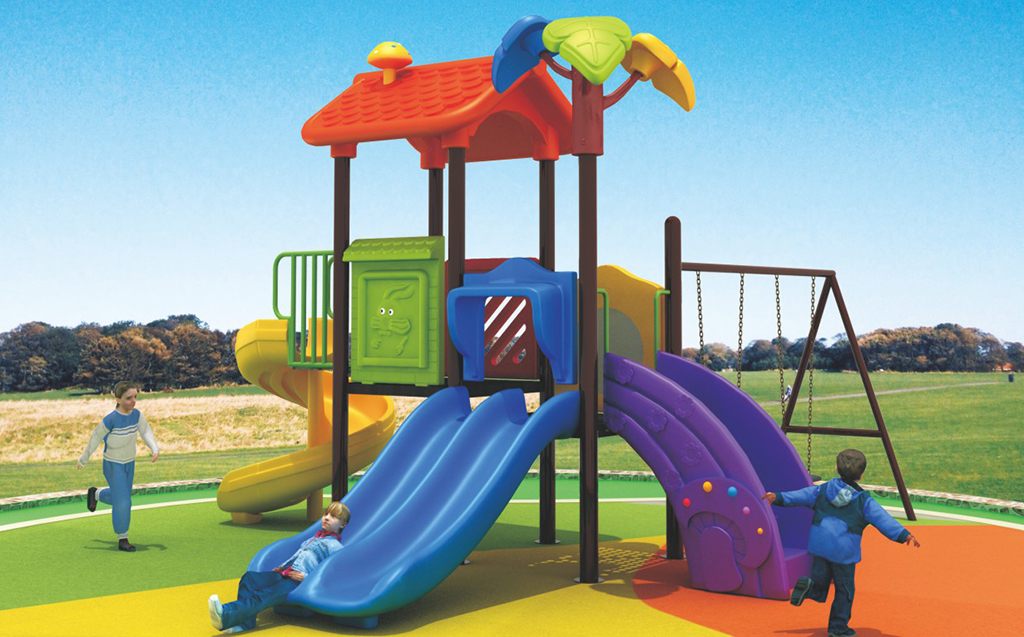
All equipment with a potential fall height exceeding 0.6 meters, including slides, climbing structures, swings, and parkour setups, should be installed over surfaces tested and certified under BS EN 1177:2018 standards.
How is the impact attenuation of a playground surface tested?
Testing involves dropping an instrumented headform from various heights onto the surface. The Head Injury Criterion (HIC) and peak acceleration (gmax) are measured to determine the surface’s shock-absorbing capability and to calculate the CFH.
What types of materials comply with BS EN 1177:2018?
Certified surfaces include loose-fill materials like wood chips, sand, and mulch, as well as engineered solutions such as rubber tiles, poured-in-place rubber, and synthetic turf. Each material must be installed at the proper depth for the equipment’s CFH.
How does compliance with BS EN 1177:2018 benefit playground operators?
Adhering to the standard reduces the risk of severe injuries, ensures legal and insurance compliance, and promotes confidence among parents and schools. Manufacturers like Golden Times integrate EN 1177-certified surfacing in their playgrounds to enhance safety and reliability worldwide.
What’s in your mind? Let’s talk.