×
PROFESSIONAL TOP AMUSEMENT EQUIPMENT MANUFACTURER!

-Dec 21, 2025-
Kindergarten fitness play structures are essential for promoting physical activity, motor development, and social skills. Age-appropriate, inclusive, and durable designs help children engage in safe, active play. With thoughtful planning and collaboration with trusted manufacturers like Golden Times, kindergartens can select equipment that meets their educational goals while staying within budget and space limits.
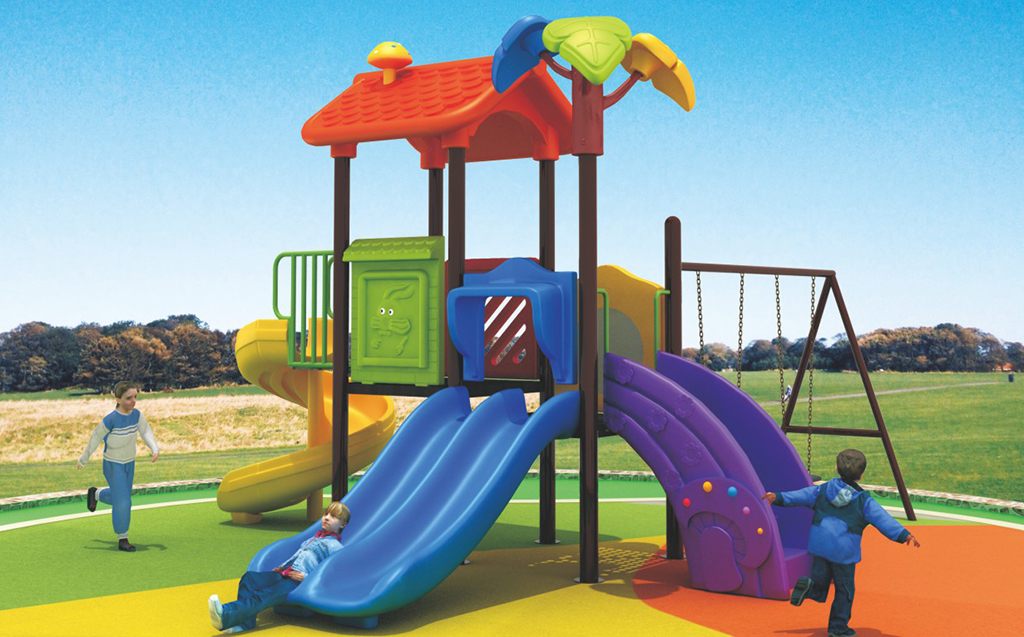
Kindergarten fitness play structures are designed to help young children develop physical skills like strength, balance, and coordination. These play structures usually consist of climbing frames, balance beams, obstacle courses, and simple fitness stations, all scaled to suit children aged 3–6. They are installed with impact-absorbing surfaces for safety and are often bright, engaging, and interactive. At Golden Times, we ensure that these structures are not only fun but also include learning and social interaction elements.
Fitness play structures provide more than just entertainment—they are key to strengthening muscles, bones, and motor skills in young children. Active play on equipment like climbing walls and balance beams helps build gross motor skills, which are essential for physical activity later on. These structures also foster emotional and social development by encouraging cooperative play and teaching children to share, take turns, and manage small risks. For kindergartens, the playground is a vital part of daily health, learning readiness, and behavioral development.
Planning space for fitness play structures begins with mapping out usable areas, considering factors like high-energy zones, circulation paths, and quiet zones. It’s important to ensure that there is enough room for children to play safely while keeping clear sightlines for supervision. Space should also accommodate potential future expansions, allowing for easy upgrades. Working with experienced manufacturers like Golden Times ensures the layout aligns with safety standards and educational objectives.
| Planning aspect | Key consideration |
|---|---|
| User capacity | Peak number of children and age mix |
| Safety clearances | Fall zones, run-out space, obstacle-free perimeters |
| Supervision | Unobstructed sightlines from multiple vantage points |
| Accessibility | Ramps, firm pathways, inclusive access points |
| Future expansion | Space for adding modules without rework |
Safety is a top priority when selecting fitness play structures. Kindergartens should follow regional playground safety standards, such as EN or ASTM guidelines, which cover fall heights, materials, and surfacing. It’s important to ensure that the equipment meets these standards, including certified height limits and proper guardrails. Impact-absorbing surfaces must be installed to protect children from falls. Regular inspections and maintenance routines are also essential. Working with trusted companies like Golden Times ensures compliance with these rigorous standards.
Kindergartens can balance free play and structured fitness activities by designing the space to accommodate both. Free play allows children to explore, invent their own games, and develop physical confidence. Structured activities, such as fitness circuits or motor skills challenges, can be incorporated by using the same equipment. Educators can set up color-coded routes or signs to guide the children in specific activities, making the space adaptable for both independent play and organized sessions. This ensures every piece of equipment is used to its full potential.
The best fitness play structures for young children are low to medium height and encourage whole-body movement. Effective choices include:
Climbing frames and nets that promote vertical and diagonal movement.
Balance beams and wavy bridges to challenge stability and core strength.
Mini-gyms and activity panels that engage upper body muscles through pushing, pulling, and rotating actions.
Modular designs from manufacturers like Golden Times make it easy to create a custom layout that meets the specific needs of the kindergarten.
Durable and child-friendly structures often combine materials like powder-coated steel, treated timber, and high-density plastics or rubber. These materials are resistant to corrosion, UV degradation, and rot, ensuring long-lasting play equipment. Smooth edges and recessed fasteners are critical for child safety, while non-toxic finishes promote hygiene. Indoor play structures may use lighter materials like modular plastic and foam-wrapped steel to reduce noise and ease maintenance.
Inclusive design ensures that all children, regardless of ability, can participate in physical play. This involves using ramps or gentle slopes for easy access, providing ground-level activity stations, and creating transfer points for elevated structures. Sensory elements like tactile panels, sound features, and visual cues make the equipment accessible to children with sensory or cognitive challenges. Golden Times integrates these features into their designs, ensuring children of all abilities can enjoy the fitness benefits of the play structures.
Fitness play structures are not limited to kindergarten yards—they can also be installed in community parks, residential developments, shopping centers, and even restaurants. Many public spaces now include dedicated fitness zones for children, promoting family-friendly environments. Indoor fitness systems are perfect for malls and activity centers, providing children with a place to play regardless of weather conditions. This broader use helps integrate active play into daily life, making it accessible to children in a variety of settings.
A well-designed playground layout improves supervision, reduces potential conflicts, and supports safer play. By placing high-energy activities, like running or climbing, away from quiet play areas, the risk of collisions is minimized. Looping paths encourage continuous movement, preventing congestion. Ensuring that adults have clear sightlines throughout the playground helps them monitor multiple zones simultaneously. Additionally, controlling the entrances and exits keeps children from running toward dangerous areas like traffic.
Indoor fitness play structures are highly effective when outdoor play is limited due to weather or space constraints. These compact, low-height structures, such as small climbing walls and obstacle courses, can fit into multi-purpose halls or dedicated playrooms. With padded surfaces and noise-control measures, they provide a safe, fun alternative to outdoor play. Indoor play structures also support specific programs, such as warm-ups or small-group activities, making them a versatile addition to kindergartens.
Fitness play structures can be designed to support cognitive and social development in addition to physical health. Interactive features like numbered stepping stones or color-coded routes reinforce early learning concepts, such as counting, sequencing, and color recognition. Role-play stations encourage storytelling and vocabulary growth, while cooperative balance elements promote teamwork and communication skills. Golden Times designs structures that integrate educational themes into the play experience, enhancing both physical and mental development.
| Play feature | Example educational benefit |
|---|---|
| Numbered stepping stones | Counting, sequencing, simple addition |
| Color-coded routes | Color recognition, following instructions |
| Cooperative balance elements | Communication, empathy, teamwork |
| Story-themed play towers | Imagination, language development, narrative |
Choosing a reputable supplier is crucial for ensuring safety, durability, and educational value. Experienced companies like Golden Times have the knowledge to provide compliant, high-quality products that meet safety standards and educational goals. Their expertise in design, manufacturing, and logistics ensures that kindergartens receive products that will last and provide long-term benefits.
The decision to purchase fitness play equipment should involve multiple stakeholders, including school leadership, facilities managers, and early childhood specialists. Input from teachers, parents, and even children can help ensure the equipment meets the specific needs of the kindergarten. Procurement and finance departments should also be involved to ensure the project stays within budget.
The best time to plan, purchase, and install new play structures is during off-peak periods, such as school holidays or between terms. This allows for minimal disruption and ensures that the equipment is ready for use when school resumes. Planning should start several months in advance to account for design revisions, approvals, and manufacturing timelines.
Since 2003, the market for kindergarten fitness play structures has evolved significantly. Companies like Golden Times now offer more sophisticated, modular designs that integrate physical fitness with sensory play and educational elements. The demand for high-quality, customizable equipment has grown, and buyers now expect products that meet rigorous safety standards and can be adapted to different environments.
“Modern kindergarten fitness play structures must do more than entertain; they should strategically support fundamental motor skills, social interaction, and inclusive participation. By combining modular outdoor playgrounds, indoor mini-systems, and tailored fitness elements, Golden Times helps educators create environments where every child can explore movement confidently, every day. Thoughtful planning and professional design turn playgrounds into long-term investments in community health and learning.”
When choosing fitness play structures, decision-makers should prioritize safety, inclusivity, and long-term durability. The next steps include:
Defining the educational and health goals for the play area.
Auditing existing spaces and user needs.
Partnering with an expert supplier like Golden Times for customized, compliant designs.
Budgeting and planning for future upgrades.
Establishing regular inspection and maintenance routines.
Yes, most kindergarten fitness structures target children aged 3–6, with specific height, reach, and challenge levels scaled to this group. Always check age recommendations and ensure mixed-age spaces have clear zoning.
Yes. By combining climbers, balance elements, and simple fitness stations with themed towers, playhouses, and role-play corners, a single playground can support both vigorous movement and imaginative scenarios.
With proper installation, certified materials, and routine maintenance, well-built structures can serve 10–15 years or more. Lifespan varies based on climate, usage intensity, and surfacing quality.
Indoor fitness structures require resilient, impact-attenuating flooring appropriate to fall heights, plus non-slip surfaces and easy-clean finishes to maintain hygiene and safety.
Often, yes. Modular systems allow adding new fitness elements, inclusive features, and fresh surfacing around existing cores, extending life and play value without full replacement.
No. Fitness play structures can be adapted for both outdoor and indoor environments. Indoor systems are designed to be compact and safe, providing children with active play options even when weather conditions prevent outdoor play.
Look for suppliers with experience in the industry, a reputation for safety and quality, and a track record of designing equipment that meets educational and safety standards. Companies like Golden Times offer a combination of expertise, custom solutions, and a commitment to long-term durability.
Yes, many fitness play structures include educational features like numbered steps, color-coded routes, and cooperative games that promote cognitive development, social interaction, and physical fitness all at once.
What’s in your mind? Let’s talk.