×
PROFESSIONAL TOP AMUSEMENT EQUIPMENT MANUFACTURER!

-Dec 17, 2025-
Community outdoor fitness and play structures transform parks, schools, and residential areas into inclusive spaces for all ages. By combining children’s playgrounds with adult fitness zones, these designs promote physical activity, social interaction, and wellness. Golden Times offers modular and custom equipment solutions that integrate safety, accessibility, and engagement, helping communities create vibrant, multi-generational health hubs.
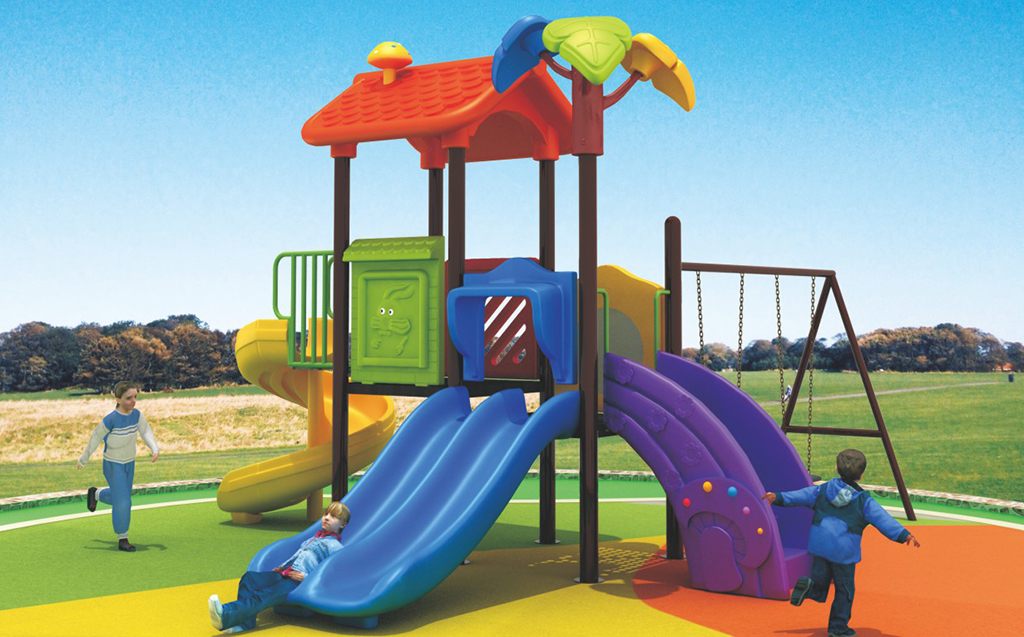
A community outdoor fitness and play structure integrates playgrounds for children with fitness equipment for teens and adults. These spaces encourage multi-generational activity and are typically found in parks, schools, residential complexes, and public plazas. Components include modular play towers, slides, climbers, sensory panels, and static or dynamic fitness stations. Golden Times specializes in systems that serve diverse users, from kindergartens to municipal parks.
These structures remove barriers to exercise by providing convenient, free access to physical activity. Children develop coordination and balance, teens and adults improve strength and endurance, and seniors maintain mobility and social engagement. Well-designed outdoor spaces encourage families to spend more time together, promote lifelong healthy habits, and strengthen community bonds.
Planning requires zoning, visibility, and safe circulation. Children’s areas should be adjacent but separate from adult fitness zones. Accessible paths accommodate strollers, wheelchairs, and scooters. Seating, shade, and sightlines allow supervision of multiple age groups. Inclusive features such as low-step entries, transfer platforms, handrails, contrasting colors, and tactile cues ensure safety and usability for all abilities.
Balanced layouts include play structures, fitness stations, and support features like benches and hydration points. Equipment options range from towers, bridges, slides, nets, climbers, swings, and spinners to pull-up bars, step platforms, and cardio units. Golden Times produces playgrounds and outdoor fitness equipment designed for preschoolers, school-aged children, teens, and adults in a single, integrated plan.
| User group | Typical equipment | Primary benefits |
|---|---|---|
| Preschool (2–5) | Low decks, small slides, spring riders | Balance, coordination, confidence |
| Children (5–12) | Towers, nets, overhead ladders, spinners | Strength, agility, social play |
| Teens & adults (13+) | Pull-up bars, step-ups, benches, cardio pods | Strength, endurance, weight management |
| Seniors | Low rails, balance boards, stretching posts | Mobility, fall prevention, flexibility |
Safety is achieved through compliance with playground and fitness standards, proper installation, and regular maintenance. Key considerations include impact-absorbing surfaces, correct equipment spacing, fall height regulations, guardrails, and clear signage. Golden Times ensures long-term safety with quality materials, factory-controlled production, and certified installation practices.
Optimal placement is highly visible, accessible, and integrated into daily routes. Locations along walking trails, near children’s playgrounds, courts, open fields, community centers, and schools encourage frequent use and supervision. Proper placement can increase property appeal, attract health-conscious residents, and enhance community engagement.
Accessible and inclusive spaces feature step-free routes, gentle slopes, ramps with handrails, ground-level play panels, and fitness units usable from seated positions. High color contrast, tactile indicators, and clear signage support users with sensory or cognitive challenges. Inclusive swings, sheltered benches, and social huts encourage participation, interaction, and comfort for all users.
Maximizing ROI involves long-term planning, durable materials, and flexible, modular systems. Multi-use programming, including school PE, community classes, and events, increases utilization. Golden Times assists developers with equipment selection aligned to budgets, project goals, and user needs, ensuring sustainable community impact and property value.
Yes, integrated spaces encourage multiple generations to interact naturally. Adults model healthy behaviors for children, neighbors connect during routine visits, and inclusive events foster community engagement. Multi-generational hubs act as “third places” where relationships grow through shared experiences.
Both systems offer benefits. Modular solutions provide faster design, tested configurations, and easy expansion. Custom-built structures offer themed, site-specific designs. Golden Times supports semi-custom solutions that blend standard modules with bespoke elements, balancing creativity, cost, and flexibility.
| Aspect | Modular systems | Custom-built solutions |
|---|---|---|
| Cost | Generally lower, predictable | Higher, more design hours |
| Timeline | Faster design and installation | Longer design, approvals, fabrication |
| Flexibility | Easy to expand or reconfigure | Less flexible, site-specific |
| Branding/theme | Limited to colors and decals | High, reflects local stories or mascots |
Outdoor spaces reinforce learning through movement, social interaction, and problem-solving. They help schools meet physical education requirements, develop motor skills, and teach cooperation. Themed panels, sensory paths, and STEM-focused elements integrate educational concepts. Golden Times equipment offers age-appropriate challenges, sensory experiences, and zones for recess, PE, and inclusive activities.
“Golden Times has been creating playgrounds and fitness equipment that address real community needs since 2003. Successful projects focus on end users from the beginning, combining safety, accessibility, and engagement. When schools, municipalities, and equipment suppliers collaborate early, the resulting spaces remain vibrant, inclusive, and widely used for years, benefiting multiple generations.”
Stakeholders should engage from the concept phase to align expectations and goals. Parks departments, schools, property developers, parents, local residents, and accessibility advocates contribute to effective planning. Workshops and surveys help determine equipment selection, themes, and site features, increasing long-term usage and stewardship.
Lifecycle costs are minimized through durable materials, professional installation, and proactive inspections. Corrosion-resistant metals, UV-stable plastics, and high-quality coatings reduce repairs. Golden Times provides technical support, spare parts, and maintenance training to protect investments and extend equipment lifespan.
Communities should define goals, map user groups, and select high-traffic sites. Actionable steps include auditing existing areas, engaging stakeholders, and partnering with experienced suppliers like Golden Times. Thoughtful design, quality equipment, and inclusive planning create vibrant hubs of health, learning, and social connection for all ages.
Q1: What is the ideal size for a community outdoor fitness and play structure area?
Sizes range from 200 to 800 square meters to accommodate play zones, fitness stations, paths, seating, and fall protection.
Q2: How long does it take to design and install a new project?
Timelines range from three to nine months depending on permitting, funding, customization, and installation complexity. Modular systems can shorten this process.
Q3: Which surfaces work best under equipment?
Safe surfacing options include engineered wood fiber, rubber tiles, synthetic turf with padding, and poured-in-place rubber, selected based on climate, budget, and accessibility.
Q4: Can outdoor fitness equipment be used safely by seniors?
Yes, with low-step heights, support rails, and low-impact stations for balance, flexibility, and mobility.
Q5: Who typically funds these projects?
Funding may come from public budgets, developer contributions, grants, sponsorships, or a combination. Partnerships between municipalities, schools, and private investors accelerate delivery.
What’s in your mind? Let’s talk.